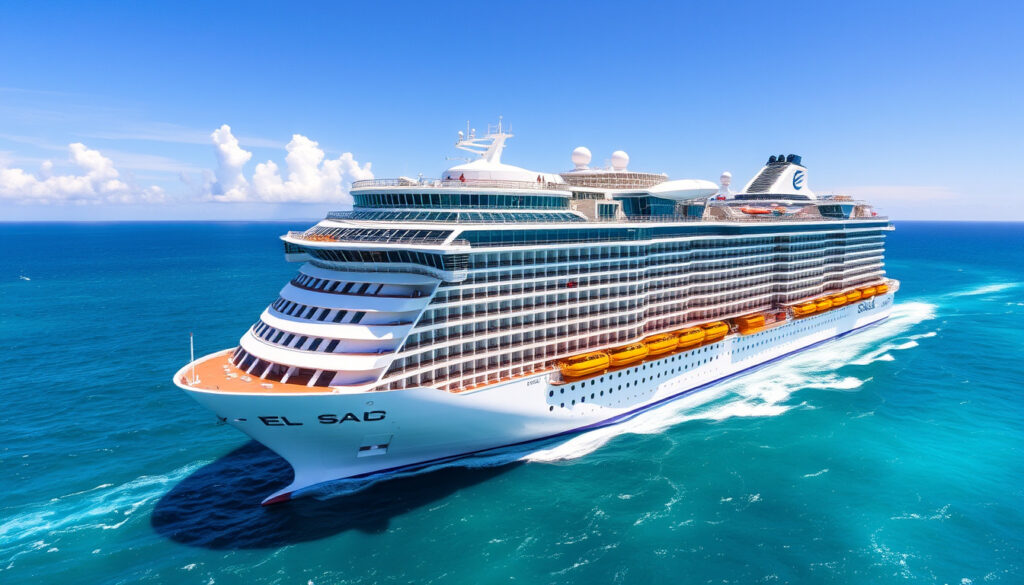
Icon of the Seas Cruise Ship – Guide to Size, Features and Specs
Icon of the Seas represents a milestone in modern cruise ship engineering, claiming the title of the world’s largest cruise vessel in operation. Operated by Royal Caribbean, this floating city stretches 365 meters (1,196 feet) in length and weighs over 250,800 gross tonnes, dwarfing even the legendary Titanic by approximately five times. Since its maiden voyage in January 2024, the ship has redefined what passengers can expect from ocean travel, combining unprecedented scale with innovative design elements.
The vessel belongs to Royal Caribbean’s newest Icon class, marking a departure from the successful Oasis-class ships that previously dominated the fleet. Designed to accommodate thousands of guests across twenty decks, Icon of the Seas transforms the traditional cruise experience into a themed journey through eight distinct neighborhoods, each offering different atmospheres, activities, and dining options. This approach to ship design reflects a deliberate strategy to segment the passenger experience, allowing families, couples, and adventure seekers to find their preferred environment without competing for space.
For travelers considering a voyage aboard this engineering marvel, understanding its specifications, features, and operational details becomes essential for planning. From the technical achievements of its construction in Finland to the variety of amenities available aboard, Icon of the Seas represents both a continuation of Royal Caribbean’s legacy and a bold step into the future of cruising.
What is Icon of the Seas?
Icon of the Seas is Royal Caribbean’s first Icon-class cruise ship, representing a new generation of vessels designed to surpass the achievements of the previous Oasis-class series. The ship was constructed by Meyer Turku at their shipyard in Turku, Finland, with construction beginning in 2022 and culminating in delivery to Royal Caribbean in January 2024. Its christening ceremony took place on January 27, 2024, when the vessel departed on its maiden voyage from Miami, Florida, marking the beginning of regular Caribbean operations.
250,800 GT
1,198 feet
5,610 (double occupancy)
2,350
- First Icon-class ship, surpassing the previous Oasis-class record holders
- Divided into eight themed neighborhoods for diverse passenger experiences
- Features Thrill Island, home to the largest water park at sea
- Operates primarily Caribbean itineraries departing from Miami
- Represents Royal Caribbean’s commitment to innovation following post-pandemic cruise resurgence
- Introduces new entertainment concepts including enhanced pool experiences
- Features the first deployment of liquefied natural gas (LNG) propulsion technology in the Royal Caribbean fleet
| Specification | Details |
|---|---|
| Builder | Meyer Turku (Finland) |
| Ship Class | Icon Class |
| Maiden Voyage | January 27, 2024 |
| Homeport | Miami, Florida |
| Maximum Speed | 22 knots |
| Total Decks | 20 |
| Weight Comparison | Approximately 5x heavier than Titanic |
How big is Icon of the Seas?
Icon of the Seas holds the distinction of being the largest cruise ship ever built, surpassing all previous vessels in the industry. The ship’s impressive dimensions place it firmly in a category of its own, with measurements that rival small towns rather than traditional maritime vessels. Understanding these specifications helps contextualize the scale of engineering and logistics required to construct and operate such a massive structure.
Passenger Capacity and Crew
The vessel typically accommodates 5,610 passengers at double occupancy, though maximum capacity reaches 7,600 guests when all staterooms are filled. When accounting for the crew of over 2,350 members, the total number of people aboard can exceed 9,000, effectively creating a floating city that navigates the open seas. This population exceeds the average population of many small municipalities, requiring sophisticated systems for managing resources, waste, entertainment, and services across all decks.
The distinction between standard capacity (5,610 passengers) and maximum capacity (7,600 passengers) depends on cabin configuration and occupancy policies. Travelers booking during peak seasons should anticipate higher passenger volumes, which may affect pool accessibility, dining reservations, and shore excursion timing.
Physical Dimensions
Spanning 365 meters (1,196 feet) in length and reaching across 20 decks, Icon of the Seas presents an extraordinary physical presence. The gross tonnage of 250,800 GT positions it well above its closest competitors, while the comparison to historical vessels proves striking—the ship weighs approximately five times more than the RMS Titanic. This scale necessitates specialized port infrastructure, with dedicated berths required to accommodate the vessel’s draft and dimensions.
What are the main features of Icon of the Seas?
Rather than presenting a single sprawling layout, Icon of the Seas divides its vast interior into eight distinct themed neighborhoods, each designed with specific moods and purposes. This architectural philosophy helps guests navigate the ship while finding their preferred onboard experience without feeling overwhelmed by options. The neighborhoods include various combinations of dining, entertainment, recreation, and relaxation spaces, creating natural gathering points for different passenger interests.
Dining and Accommodation Options
The ship offers over 40 dining options, ranging from casual poolside fare to specialty restaurants featuring world cuisines. Accommodation choices include 28 different room types, from cozy interior cabins suitable for budget-conscious travelers to ultra-luxurious suites with dedicated concierge services and private balconies overlooking the ocean. Staterooms in various categories overlook different areas of the ship, including boardwalk views, pool panoramas, and direct sightlines to the water park attractions.
Stateroom location significantly impacts the onboard experience. Cabins overlooking Thrill Island or pool areas offer exciting views but may experience higher ambient noise during daytime hours. Interior cabins provide quieter environments and often suit passengers planning extensive activities across the ship’s venues.
Recreation and Entertainment
Icon of the Seas features seven unique pools, including signature spaces like Cloud 17 and The Hideaway, each offering ocean views and distinct atmospheres. Thrill Island houses the largest water park at sea, providing water slides, splash zones, and aquatic attractions for families and thrill-seekers. Additional amenities include a rock climbing wall, mini golf course, laser tag arena, sports court, the Royal Theater for production shows, the Royal Escape Room for puzzle enthusiasts, and a medical center for passenger health needs.
What is the Icon of the Seas itinerary?
Icon of the Seas operates primarily from its homeport in Miami, Florida, offering Caribbean itineraries that showcase the ship’s capabilities across multiple destinations. The 2024 inaugural season featured seven-night voyages visiting popular island ports, with routes designed to maximize port time while allowing passengers to enjoy the ship’s extensive amenities during sea days. Shore excursions include beach visits, historical tours, adventure activities, and cultural experiences tailored to various passenger interests.
Pricing for Icon of the Seas voyages varies considerably based on several factors, including stateroom category, sailing date, itinerary length, and promotional offers. Interior cabins typically represent the most affordable options, while suite accommodations command premium rates reflecting their larger size and enhanced amenities. Travelers interested in specific pricing for upcoming sailings should consult current booking information directly, as rates fluctuate seasonally and promotional offers change regularly.
Current booking information, including specific 2025 itinerary details and cabin pricing, requires consultation with Royal Caribbean directly or through authorized travel advisors. The search results available do not include comprehensive pricing breakdowns or confirmed 2025 sailing schedules, and these details evolve as the cruise line adjusts routes based on operational and market factors.
Icon of the Seas vs Wonder of the Seas
Icon of the Seas surpasses Wonder of the Seas, which previously held the title of the world’s largest cruise ship. Wonder of the Seas measures approximately 362 meters in length with a maximum capacity of 7,084 passengers, making it the second-largest cruise ship currently in service. Symphony of the Seas ranks third at 362 meters with a capacity of 6,680 passengers, demonstrating how Icon of the Seas represents a significant leap forward in scale within the cruise industry.
The comparison extends beyond mere size to encompass design philosophy and passenger experience. While Wonder of the Seas belongs to the established Oasis class that defined modern megaship cruising, Icon of the Seas introduces the new Icon class with its neighborhood-based approach and technological advancements. The Icon class also marks Royal Caribbean’s first use of liquefied natural gas (LNG) propulsion technology, representing a commitment to environmental considerations alongside passenger experience enhancements.
| Specification | Icon of the Seas | Wonder of the Seas |
|---|---|---|
| Length | 365 meters (1,196 ft) | 362 meters (1,188 ft) |
| Gross Tonnage | 250,800 GT | 236,857 GT |
| Max Capacity | 7,600 passengers | 7,084 passengers |
| Ship Class | Icon Class | Oasis Class |
| Themed Neighborhoods | 8 | 7 |
| Dining Options | 40+ | 20+ |
Development Timeline of Icon of the Seas
The journey from concept to operation for Icon of the Seas spanned several years of planning, construction, and testing. Understanding this timeline provides context for the engineering achievement and strategic decisions behind the vessel’s creation.
- 2021: Royal Caribbean announces the order for Icon of the Seas, marking commitment to the new Icon class development
- 2022: Construction begins at Meyer Turku shipyard in Turku, Finland, marking the physical start of development
- June 2023: The vessel is floated out, symbolizing a major construction milestone as it enters the water for the first time
- January 2024: Final delivery to Royal Caribbean, followed by christening ceremony
- January 27, 2024: Maiden voyage departs from Miami, Florida, beginning regular passenger operations
What remains uncertain about Icon of the Seas?
While substantial information exists regarding Icon of the Seas’ specifications, design, and initial operations, certain details remain unclear or require verification from additional sources. Transparency about these knowledge gaps supports accurate reporting and helps readers understand the limitations of available information.
Confirmed Information
- Size and specifications verified by builder and official sources
- Launch date and maiden voyage confirmed
- Neighborhood structure and general amenity descriptions
- Comparison positioning against Wonder of the Seas
- Construction details from Meyer Turku
Information Requiring Further Verification
- Detailed deck-by-deck layout information
- Specific 2025 sailing schedules and itineraries
- Cabin pricing breakdowns by category
- Post-launch passenger reviews and satisfaction data
- Exact sustainability feature specifications
Understanding the Context of Icon of the Seas
The introduction of Icon of the Seas reflects broader trends in the cruise industry, particularly the post-pandemic resurgence that has driven unprecedented demand for ocean travel. Royal Caribbean’s investment in a new class of vessels demonstrates confidence in the market’s trajectory and a willingness to exceed previous boundaries of ship design. The timing of the launch, following years of construction, coincidentally aligned with cruise industry recovery, positioning the vessel as a symbol of renewed optimism in maritime tourism.
The competitive landscape among major cruise lines continues to push innovation, with each new class of vessels attempting to surpass its predecessors in scale and passenger experience. Icon of the Seas maintains Royal Caribbean’s position at the forefront of this competition, while the announced sister ship, Star of the Seas, suggests continued investment in the Icon class for future years.
Industry Perspectives on Icon of the Seas
Royal Caribbean has positioned Icon of the Seas as a culmination of decades of cruise ship innovation, combining passenger-preferred features from previous classes with entirely new concepts. The neighborhood-based design reflects feedback from millions of passengers who have sailed on Oasis-class vessels, addressing the challenge of managing vast spaces and diverse passenger interests within a single vessel.
Icon of the Seas represents our vision for the future of cruising—where every guest can find their perfect vacation experience without compromise. This ship brings together everything our passengers love about Royal Caribbean, and adds innovations they have never imagined possible.
— Royal Caribbean leadership statement during christening ceremony
Meyer Turku, the Finnish shipyard responsible for construction, emphasized the collaborative nature of the project in their delivery documentation, highlighting the technical challenges overcome in building the largest cruise ship in the world. The shipyard’s expertise in cruise vessel construction, combined with Royal Caribbean’s design specifications, produced a vessel that pushes boundaries in naval architecture and passenger comfort.
Looking Ahead
The success of Icon of the Seas will likely influence future cruise ship development across the industry. Royal Caribbean has announced plans for additional Icon-class vessels, with Star of the Seas expected to join the fleet in 2025, expanding the line’s Caribbean offerings and potentially introducing new features based on passenger feedback from the inaugural ship.
For travelers considering a voyage aboard Icon of the Seas, planning should account for the ship’s scale and the diversity of available experiences. Booking dining reservations in advance, researching neighborhood layouts, and understanding capacity patterns during different seasons can help maximize the vacation experience. Travelers requiring specific documentation should review entry requirements for their intended ports of call, and those with questions about visa processing timelines may find relevant guidance useful when preparing international travel arrangements.
Whether Icon of the Seas represents the future of cruising or simply the latest milestone in an evolving industry remains to be seen, but its impact on passenger expectations and competitive standards is already evident across the cruise sector.
Frequently Asked Questions
What is the passenger capacity of Icon of the Seas?
Icon of the Seas typically accommodates 5,610 passengers at double occupancy, though maximum capacity reaches 7,600 guests when all staterooms are occupied. Including crew, the ship can carry over 9,000 people.
Does Icon of the Seas have a water park?
Yes, Icon of the Seas features Thrill Island, which houses the largest water park at sea. The area includes water slides, splash zones, and aquatic attractions designed for families and thrill-seekers of various ages.
How much does an Icon of the Seas cruise cost?
Pricing varies significantly based on stateroom category, sailing date, itinerary length, and promotional offers. Interior cabins represent the most affordable options, while suites command premium rates. Current pricing requires direct consultation with Royal Caribbean or authorized travel advisors.
Who built Icon of the Seas?
Icon of the Seas was constructed by Meyer Turku at their shipyard in Turku, Finland. The shipyard specializes in cruise vessel construction and delivered the vessel to Royal Caribbean in January 2024.
Is Icon of the Seas bigger than the Titanic?
Yes, Icon of the Seas is approximately five times heavier than the RMS Titanic. The modern cruise ship measures 365 meters in length compared to the Titanic’s 269 meters, and weighs over 250,800 gross tonnes.
When was Icon of the Seas launched?
Icon of the Seas was christened and departed on its maiden voyage on January 27, 2024, from Miami, Florida. Construction began in 2022 at Meyer Turku shipyard in Finland.
How many decks does Icon of the Seas have?
Icon of the Seas spans 20 decks, providing extensive space for passenger cabins, dining venues, entertainment areas, recreation facilities, and crew operations.
What is Icon of the Seas’ homeport?
Icon of the Seas operates from Miami, Florida, as its primary homeport. The ship offers Caribbean itineraries departing from this location, visiting various island destinations throughout the region.
More related posts
 Connor Bedard: Salary, Team Canada Snub, Gretzky’s Praise & More
 New Zealand v We t Indie 1 t Te t 2025 Scorecard & Serie Recap
 Daniella Karagach Ethnicity, Height, Baby, and Age – DWTS Pro
 Lucille’s Mont-Tremblant Menu – Prices, Dishes, Reviews
 Air India Plane Crash Report: Cause, Survivor & Death Toll
 How to Cook Quinoa: Perfect Fluffy Results Every Time
 Meagan Good: Biography, Relationships, Surgery, Ethnicity & More
 Duke Dennis: Age, Military Service, and AMP Role
